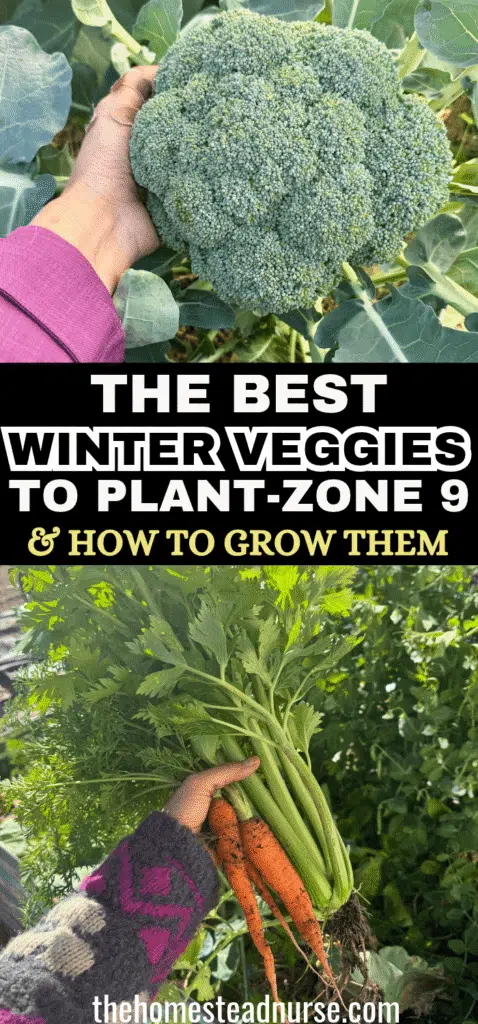
Best Zone 9 Winter Vegetables And How To Grow Them
Myth: Vegetable gardens go to sleep when winter arrives.
Reality: In Zone 9, winter is one of the most productive seasons of the year.
Summer here is brutal. Lettuce bolts in days. Broccoli refuses to form heads. Spinach, good luck. Then the heat breaks, and everything changes. Days settle into the 60s and 70s. Nights cool down. Pests slow to a crawl. Rain does some of the watering for you. Cool-season crops love these conditions.
A well-planned bed can feed your kitchen from October through April with crisp greens, sweet carrots, tight broccoli heads, and fragrant herbs. Gardeners up north are flipping through seed catalogs while you are filling a harvest basket.
Quick Notes
- Zone 9 winters are mild enough to grow brassicas, leafy greens, root crops, peas, onions, and garlic from fall through early spring.
- Timing matters most: plant when daytime highs fall below about 85°F and soil cools below 75°F, usually October through February.
- Lightweight frost cloth, mulch, and moist soil protect crops during the few frosty nights each year.
- Succession sowing every two to three weeks keeps lettuce, radishes, and greens coming all season.
- Choose bolt-resistant and short-day varieties suited to warm-winter regions for the best results.
Zone 9 and Zone 10 Climate Overview

USDA hardiness zones are based on the average coldest winter temperature in an area. Zone 9 sees lows between 20°F and 30°F, and Zone 10 sees lows between 30°F and 40°F. Both zones support year-round gardening, with winter being the prime season for cool-weather vegetables.
Subzone low temperatures:
- 9a: 20°F to 25°F
- 9b: 25°F to 30°F
- 10a: 30°F to 35°F
- 10b: 35°F to 40°F
Where these zones are found: California’s Central Valley and coastal areas, the Gulf Coast of Texas and Louisiana, central and northern Florida, southern Arizona, and parts of southern Nevada.
Typical winter pattern: Daytime highs of 60°F to 75°F, nights in the 40s, and a handful of frosty mornings between December and February. First frost in Zone 9 usually lands from late November to mid-December. Last frost arrives from late January to late February. Many Zone 10 gardens never see frost at all.
What limits growth: Short daylight hours slow plant growth more than cold does. Crops planted in October mature faster than identical crops planted in December, because they establish while days are still long.
Microclimates also matter. A south-facing wall can run several degrees warmer than an open low spot where cold air pools. Walk your yard on a frosty morning and note where frost forms first.
Benefits of Winter Gardening
Winter gardening in Zone 9 gives you easier conditions, better flavor, and lower costs than summer growing.

💧 Water bills drop because cooler air means less evaporation and winter rains supplement irrigation.
🐛 Pest pressure falls sharply as insects like aphids, whiteflies, and spider mites slow down in cool weather.
🥕 Root crops and greens taste sweeter because cold nights trigger plants to convert starches into sugars.
😌 Working outdoors is pleasant instead of punishing, so you actually enjoy weeding and harvesting.
💰 Homegrown greens, herbs, and broccoli replace some of the priciest items in the produce aisle.
🌼 Winter flowers and flowering herbs feed bees and beneficial insects when little else is blooming.
🍽️ Your harvest peaks during the holidays, when fresh produce is most appreciated for gatherings and meals.
Site and Soil Preparation
Prepare winter beds in late August or early September so they are ready for the first plantings.
- Pick the sunniest spot. Winter sun sits lower in the sky, so shadows from fences, trees, and houses grow longer. Choose a location that gets at least six hours of direct sun in December, which may differ from your best summer spot.
- Clear summer crops. Pull spent tomatoes, squash, and peppers. Discard any diseased plants instead of composting them.
- Test your soil. Most cool-season vegetables prefer a pH between 6.0 and 7.0. Many Zone 9 soils in the Southwest run alkaline, while Florida and Gulf Coast soils are often sandy and acidic. A basic test from your local extension office tells you exactly what to adjust.
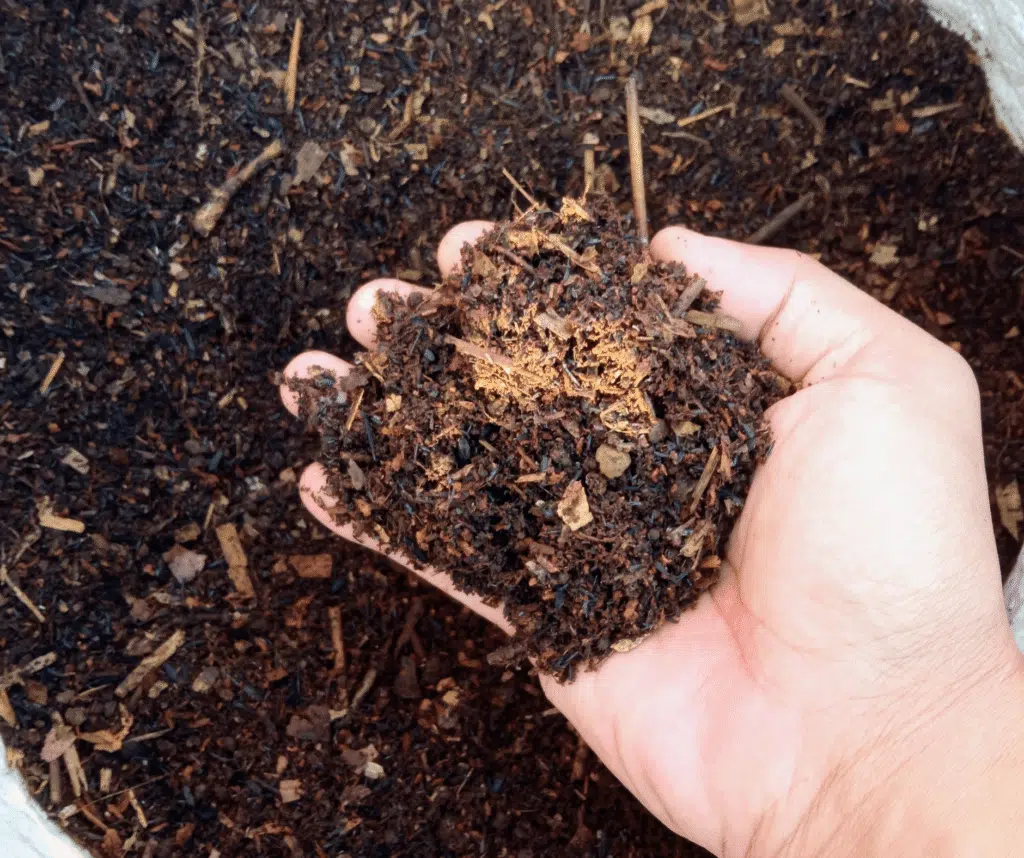
- Add 2 to 3 inches of compost. Work it into the top 6 to 8 inches. Compost improves drainage in clay and holds moisture in sand. You can also work in some worm castings if you don’t have compost on hand.
- Check drainage. Winter rain can waterlog clay soil and rot roots. If water stands for more than a few hours after rain, build raised beds 8 to 12 inches tall. You can also add some Perlite to your soil to improve drainage.
- Rake smooth and moisten. A fine, level seedbed helps small seeds like carrots and lettuce make good contact with the soil.
- Cover your soil. Add any type of organic mulch on top of your soil. I always use straw; I find it easiest to work with and looks good. This will help keep your soil cool and decrease disease in your plants.
Vegetable Varieties to Grow
The best winter vegetables for Zone 9 are brassicas, leafy greens, root crops, alliums, and legumes. Choosing varieties bred for heat tolerance and bolt resistance protects you against warm spells, which are common even in January.
Brassicas
- Broccoli: ‘Di Cicco’ and ‘Waltham 29’ produce abundant side shoots after the main head is cut. ‘Packman’ matures quickly.
- Cauliflower: ‘Snowball’ types are reliable. Plant early so heads form before spring heat.
- Cabbage: ‘Early Jersey Wakefield’ and ‘Golden Acre’ form compact heads in 60 to 70 days.
- Kale: ‘Lacinato’ and ‘Red Russian’ tolerate both frost and warm afternoons.
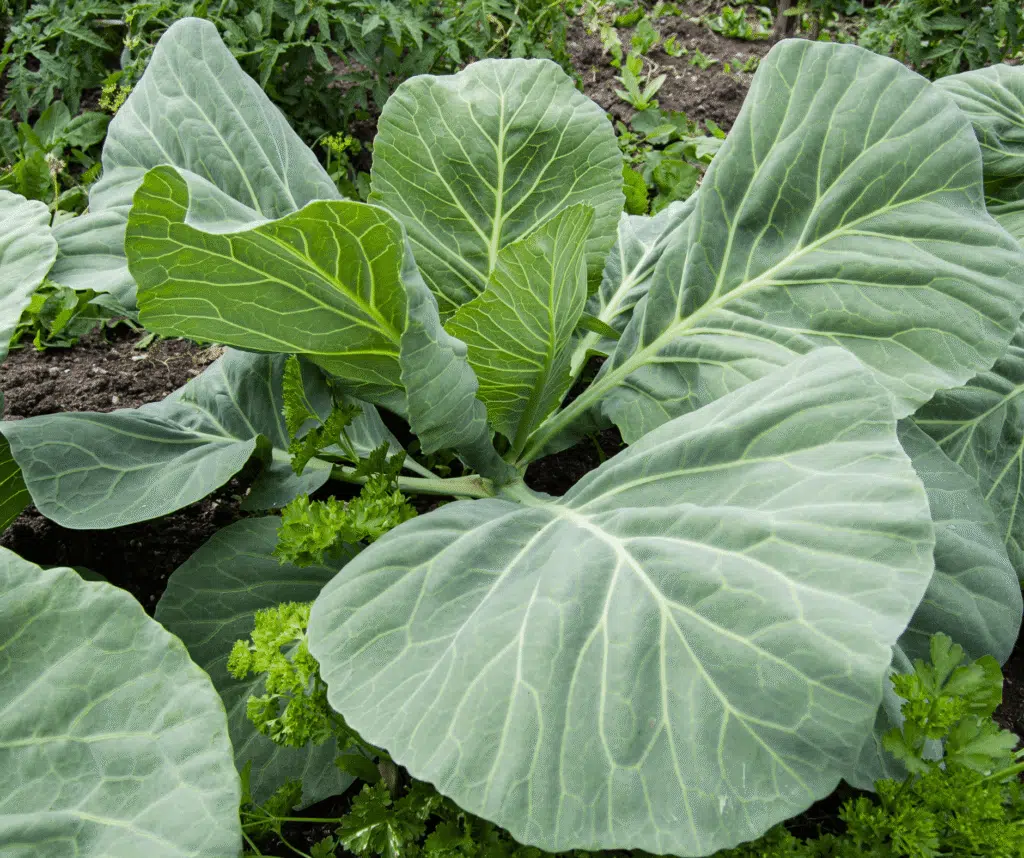
- Collards: ‘Georgia Southern’ is a Southern classic that thrives through winter.
- Bok choy and mustard greens: Fast, forgiving, and ready in 30 to 45 days.
- Brussels Sprouts: Start seeds in September; space out 18-24 inches apart. As they grow pretty big, give nitrogen-based fertilizer every other week.
- Chinese Cabbage: Start seeds in September; they thrive in 70-50 degree weather, space out 12-18 inches apart, and they love the soil to be moist.
Leafy Greens
- Lettuce: ‘Buttercrunch’, ‘Black Seeded Simpson’, ‘Little Gem’, and ‘Parris Island Cos’ all perform well.
- Spinach: ‘Malabar’ can be started as early as July, and ‘Space’ holds well in cool weather. Plant once soil drops below 75°F.
- Swiss chard: ‘Bright Lights’ and ‘Fordhook Giant’ produce for months.
- Arugula: Ready in about three weeks and best sown in small batches.
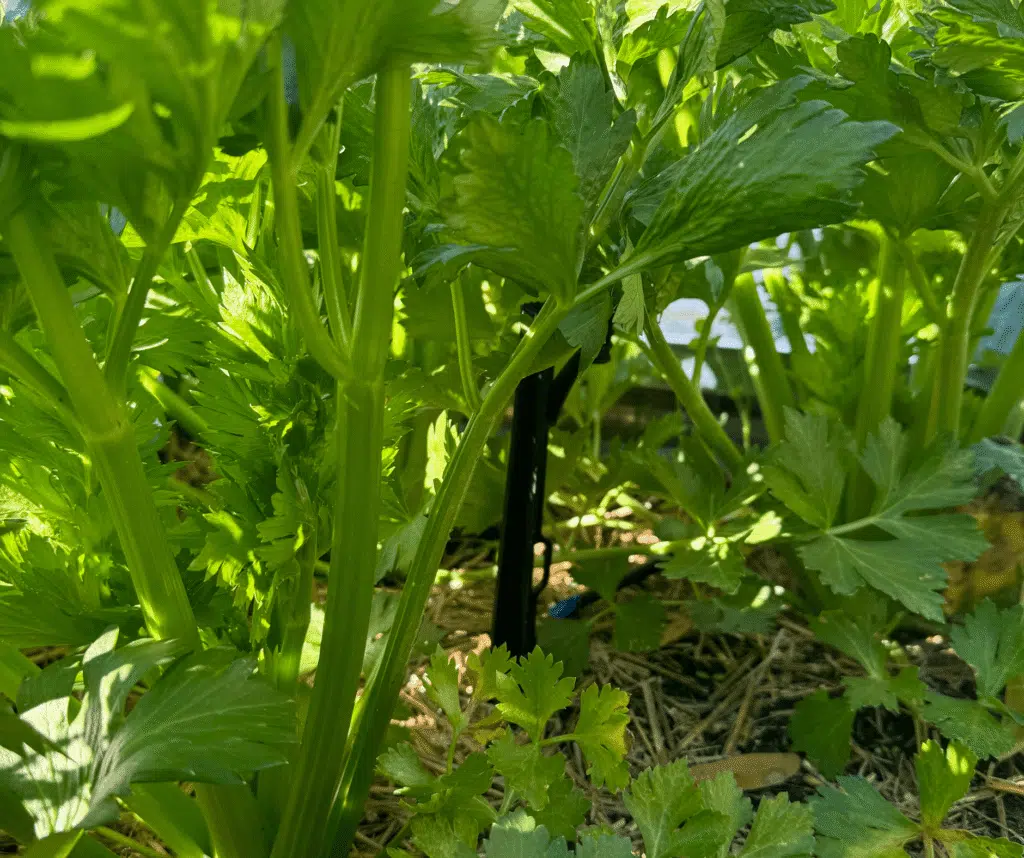
- Celery Sow seeds in September; keep the plant moist as they love water, and every other week add nitrogen-based fertilizer.
Start all these seeds in September and treat them as any other leafy green: Endive, Mizuna, Escarole, Kohlrabi
Root Crops
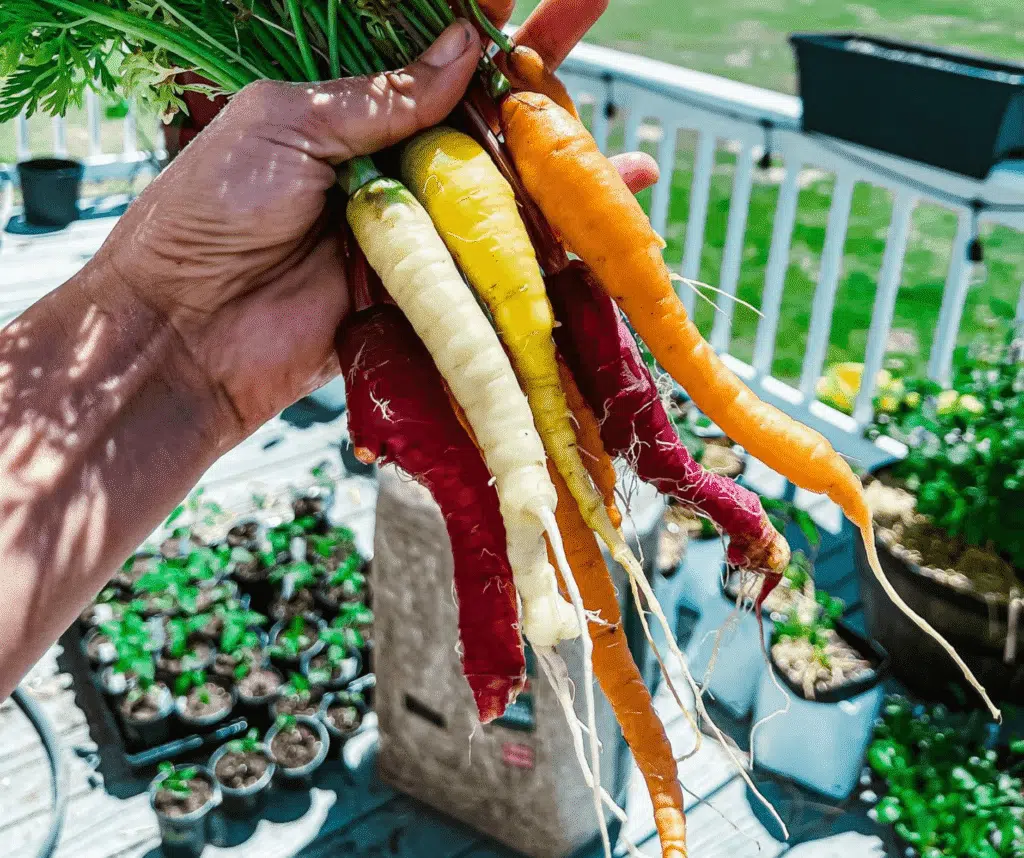
- Carrots: ‘Nantes’ and ‘Danvers’ handle most soils. ‘Chantenay’ suits heavy clay. They get sweeter the colder it gets; keep planting seeds from July to March. They don’t need light to germinate.
- Beets: ‘Detroit Dark Red’ and striped ‘Chioggia’ give you both roots and greens.
- Radishes: ‘Cherry Belle’ and ‘French Breakfast’ mature in under a month.
- Turnips: ‘Purple Top White Globe’ is dependable.
- Leeks: Start seeds 8-12 weeks before last frost date, keep soil moist, give itofren rich fertilzer, ca take up too 150 days to grow fully.
Alliums and Legumes
- Onions: Grow short-day varieties only, such as ‘Texas 1015Y’, ‘Granex’, and ‘Red Creole’. Long-day onions will not bulb at this latitude.
- Garlic: Softneck and Creole types like ‘California Early’ do best. I love growing elephant garlic; they are huge!
- Peas: ‘Sugar Snap’ and ‘Oregon Sugar Pod II’ climb happily on a trellis.
- Fava beans: Hardy, productive, and excellent soil builders.
Herbs for Winter Gardens
Cool weather is the best time to grow the tender annual herbs that bolt in summer heat. Woody perennial herbs also put on fresh growth in winter.
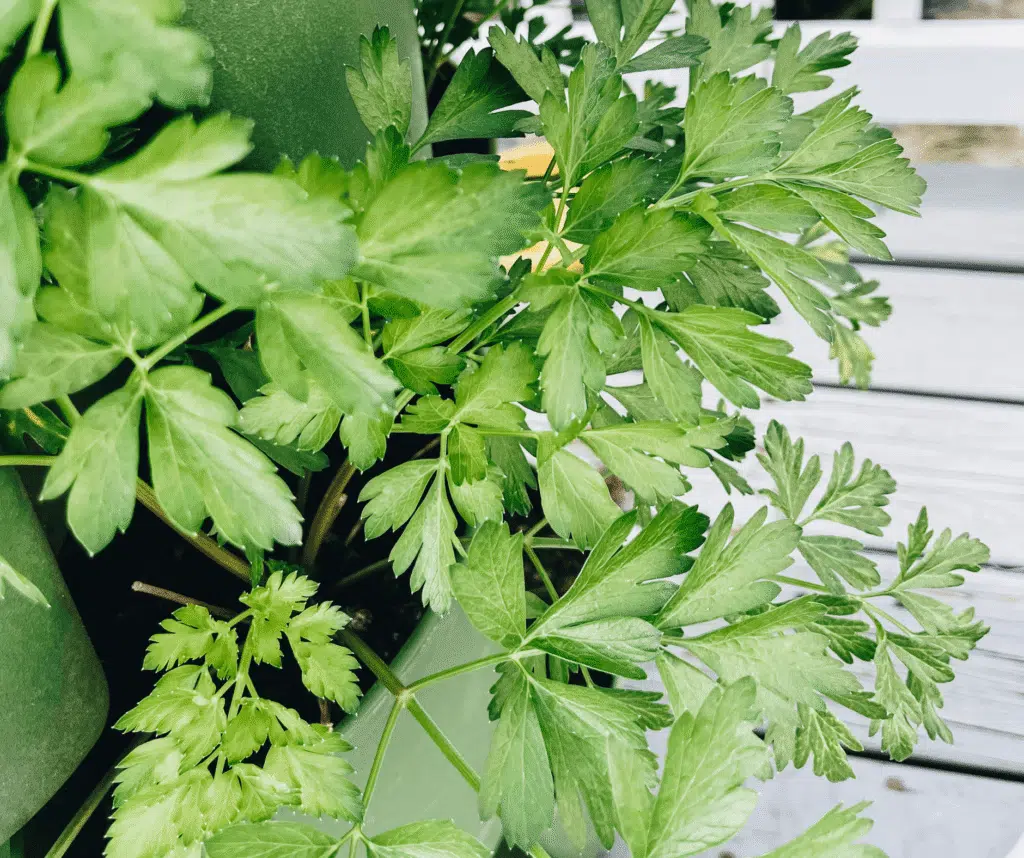
Annual herbs that peak in winter:
- Cilantro: The standout. It bolts within weeks in summer but produces leafy growth for months from October to March. Try ‘Calypso’ or ‘Santo’ for slower bolting.
- Dill: Sow directly, since it dislikes transplanting.
- Parsley: Both flat-leaf and curly types grow steadily and survive light frost.
- Chervil: A delicate, anise-flavored herb that only thrives in cool weather.
- Fennel: Bulbing varieties like ‘Florence’ form crisp bulbs in cool months.
Perennial herbs to plant or refresh:
- Rosemary, thyme, sage, and oregano: Fall is the ideal time to plant these Mediterranean herbs, giving roots months to establish before summer.
- Chives: Grow steadily and survive frost.
- Mint: Keep it in a pot to stop it from spreading through your beds.
Harvest herbs often. Regular clipping keeps plants bushy and delays flowering.
Flowers for Winter Gardens
Winter flowers make a Zone 9 vegetable garden more productive by attracting pollinators and predatory insects that control pests. Many are also edible.

Plant these alongside vegetables or along bed edges:
- Calendula: Bright orange and yellow blooms that draw hoverflies, whose larvae eat aphids. Petals are edible.
- Sweet alyssum: Low-growing and fragrant, it attracts tiny parasitic wasps that attack caterpillars and aphids.
- Pansies and violas: Cold-tolerant, cheerful, and edible as a salad garnish.
- Nasturtiums: Act as a trap crop that lures aphids away from brassicas. Leaves and flowers have a peppery bite.
- Snapdragons and stock: Tall, fragrant cut flowers that bloom from winter into spring.
- Sweet peas: Sow in fall on a trellis for fragrant spring blooms.
- Borage: Blue star-shaped flowers that bees adore.
- California poppies: Scatter seed in fall for spring color in western gardens.
- Zinnias: Last month to plant seeds outdoors is October from Fall harvest (they take 60 days to grow)
A good rule is to dedicate about 10 percent of your bed space to flowers. The pest control alone pays for the space.
Planting Schedule and Timing
The Zone 9 winter planting window opens when daytime highs consistently fall below 85°F, usually in September, and runs through February for quick crops. Zone 10 gardeners should shift fall dates about two weeks later.
| Crop | Zone 9 Timing and Method |
|---|---|
| Broccoli, cauliflower, cabbage | Transplant October to December; second round in January |
| Kale and collards | Seed or transplant September to February |
| Lettuce and arugula | Direct sow every 2 to 3 weeks, September to February |
| Spinach | Direct sow October to January, once soil is below 75°F |
| Carrots and beets | Direct sow July to February |
| Radishes | Direct sow every 2 weeks, September to March |
| Peas | Direct sow November to January |
| Onions (short-day) | Sow seed in August; transplant starts November to December |
| Garlic | Plant pre-chilled cloves in November |
| Fava beans | Direct sow October to November |
| Swiss chard | Seed or transplant September to February |
| Potatoes | Plant seed potatoes in October or wait for the spring planting window |
Timing tips:
- Brassicas need to mature before spring heat, so the earliest plantings produce the best heads.
- Fast crops like radishes and arugula can fill gaps all season.
- Garlic in warm-winter areas benefits from six to eight weeks in the refrigerator before planting, which mimics the cold it needs to form bulbs.
Monthly Garden Calendar
Use this month-by-month guide to stay on track from late summer to spring.
August: Start tomatoes, peppers, eggplant, tomatillo, groundcherry seeds indoors in early August. Order seeds and onion transplants. Place garlic in the refrigerator. Solarize or clear beds.
September: Amend beds with compost. Transplant tomato, pepper, eggplant, tomatillo, groundcherry. Direct-sow carrots, beets, chard, and lettuce once temperatures ease. Begin transplanting early brassicas in cooler areas.
October: The busiest planting month. Transplant brassicas. Sow peas, spinach, radishes, cilantro, and fava beans. Set up trellises.
November: Transplant onions. Sow another round of lettuce and greens. Lay mulch. Keep frost cloth ready.
December Trasplant onion and garlic. Harvest early greens, radishes, and broccoli. Watch for frost forecasts. Sow quick crops in open spots.
January: Plant a second round of broccoli and cabbage. Sow peas and carrots. Start tomato and pepper seeds indoors for spring.
February: Plant potatoes. Side-dress onions and garlic with nitrogen. Keep harvesting. Watch for aphids as weather warms.
March Harvest heavily before bolting. Pull spent plants. Transition beds toward spring and summer crops.
April Harvest garlic and onions as tops yellow and fall over. Compost remaining cool-season plants.
Starting Seeds Indoors
Starting brassica seeds indoors in August lets seedlings grow in cool, controlled conditions while outdoor temperatures are still too hot for tender transplants.
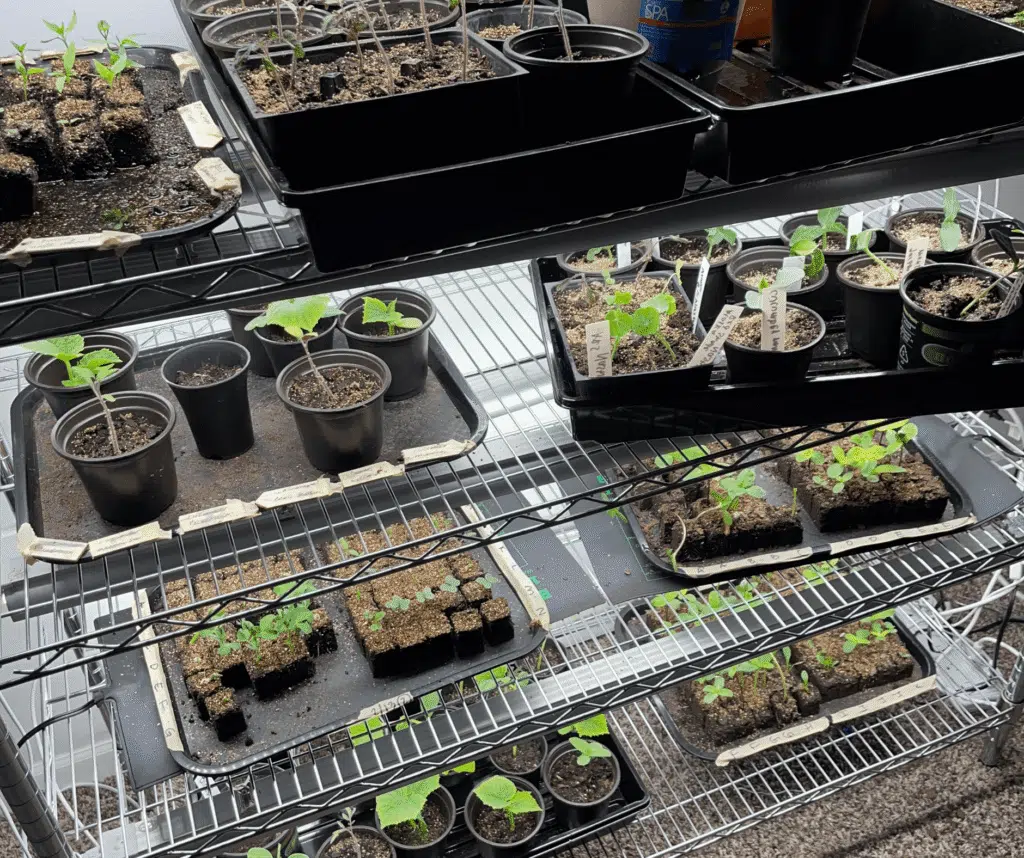
What to start indoors: Broccoli, cauliflower, cabbage, kale, collards, Brussels sprouts, and onions.
What to sow directly outside: Carrots, beets, radishes, turnips, peas, spinach, and dill. Root crops and peas dislike transplanting.
Indoor Step-by-step process:
- Fill cell trays with a sterile, fine seed-starting mix.
- Sow two seeds per cell at about ¼ inch deep.
- Keep the mix evenly moist and between 65°F and 75°F for germination. Most brassicas sprout in 5 to 10 days.
- Move seedlings under grow lights set 2 to 4 inches above the leaves, running 14 to 16 hours a day. Windowsill light produces weak, leggy plants.
- Thin to one seedling per cell by snipping the weaker one with scissors.
- Feed with half-strength liquid fertilizer once true leaves appear.
- Harden off for 7 to 10 days by placing seedlings outside in shade, then gradually increasing sun exposure.
- Transplant at four to six weeks old, when plants have four to six true leaves.
Need more information on seed starting? Check out my amazing guide: Starting seeds indoors: Ultimate Beginner Guide
Run a small fan near seedlings for a few hours daily. The gentle airflow strengthens stems and helps prevent damping-off disease.
Watering Your Garden
Winter gardens in Zone 9 typically need about 1 inch of water per week, including rainfall, which is often half the summer requirement. Cool soil dries slowly, so overwatering is a bigger risk than drought.
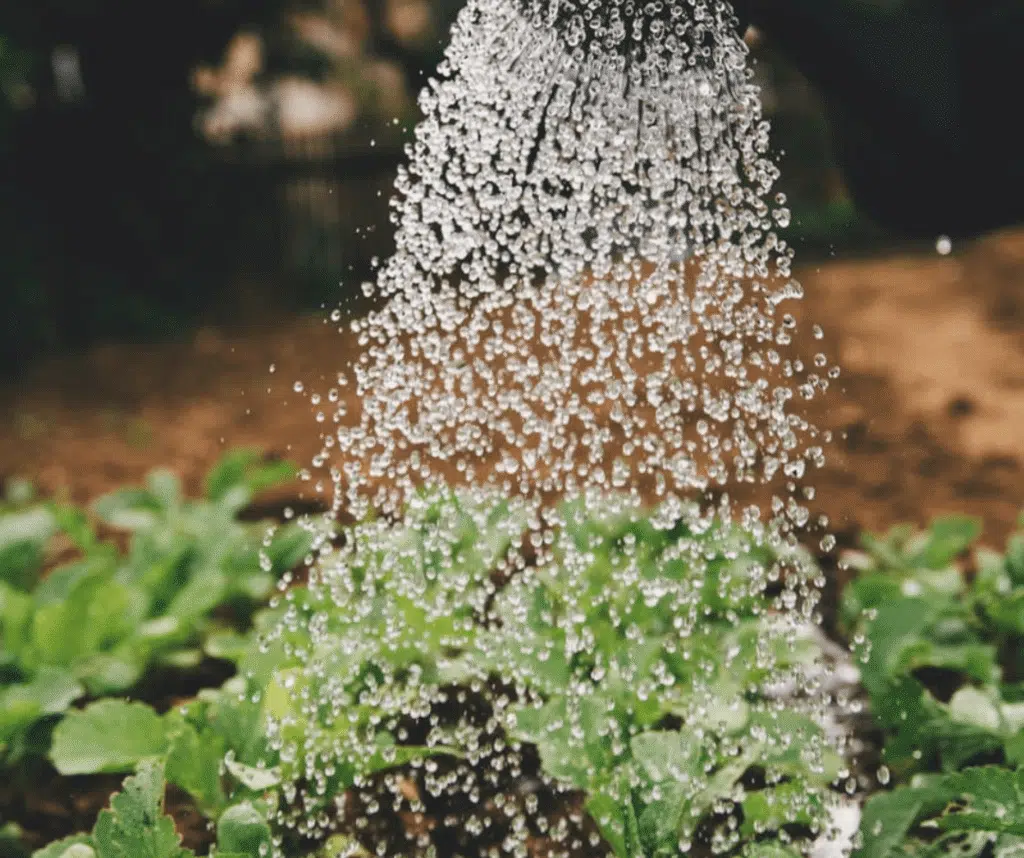
Check moisture before every watering. Push a finger 2 inches into the soil. If it feels dry at that depth, water deeply. If it feels moist, wait a day and check again.
Winter watering checklist:
- Water in the morning so foliage dries before cool evening temperatures, which reduces fungal disease.
- Use drip irrigation or soaker hoses to keep water off leaves.
- Water deeply and less often to encourage roots to grow down.
- Reduce or skip irrigation for several days after a soaking rain.
- Adjust automatic timers seasonally. A summer schedule left running in January drowns roots.
- Keep seedbeds for carrots and lettuce consistently damp until seeds sprout, which may mean a light sprinkle daily.
Signs you are overwatering: Yellowing lower leaves, slow growth, moss or algae on the soil surface, and fungus gnats.
Signs you are underwatering: Wilting during mild afternoons, bitter lettuce, and cracked or woody root crops.
Feeding and Fertilizing Your Garden
Cool-season vegetables in Zone 9 grow best with steady nitrogen, because most of them are leafy crops. Cool soil also slows the microbes that release nutrients from organic matter, so quick-acting fertilizers become more important in winter.
At planting:
- Mix a balanced organic granular fertilizer into the bed, following package rates.
- Add bone meal or a phosphorus source where you plant root crops and onions.
During the season:
- Leafy greens and brassicas: Side-dress every three to four weeks with blood meal, feather meal, or a nitrogen-rich granular fertilizer.
- Liquid boosts: Fish emulsion or liquid seaweed every two weeks provides plants with nutrients they can absorb, even when the soil is cold. I use an amazing kelp fertilizer from Technaflora.
- Onions and garlic: Feed with nitrogen through February, then stop once bulbs begin to swell.
- Root crops: Go easy on nitrogen. Too much creates lush tops and forked, hairy roots.
- Peas and fava beans: These fix their own nitrogen and need little extra feeding.
Signs of hunger: Pale yellow-green leaves on brassicas and greens point to a nitrogen shortage. Purple tints on older leaves during cold snaps can signal low phosphorus uptake, which usually corrects itself as soil warms.
Season Extension and Frost Protection
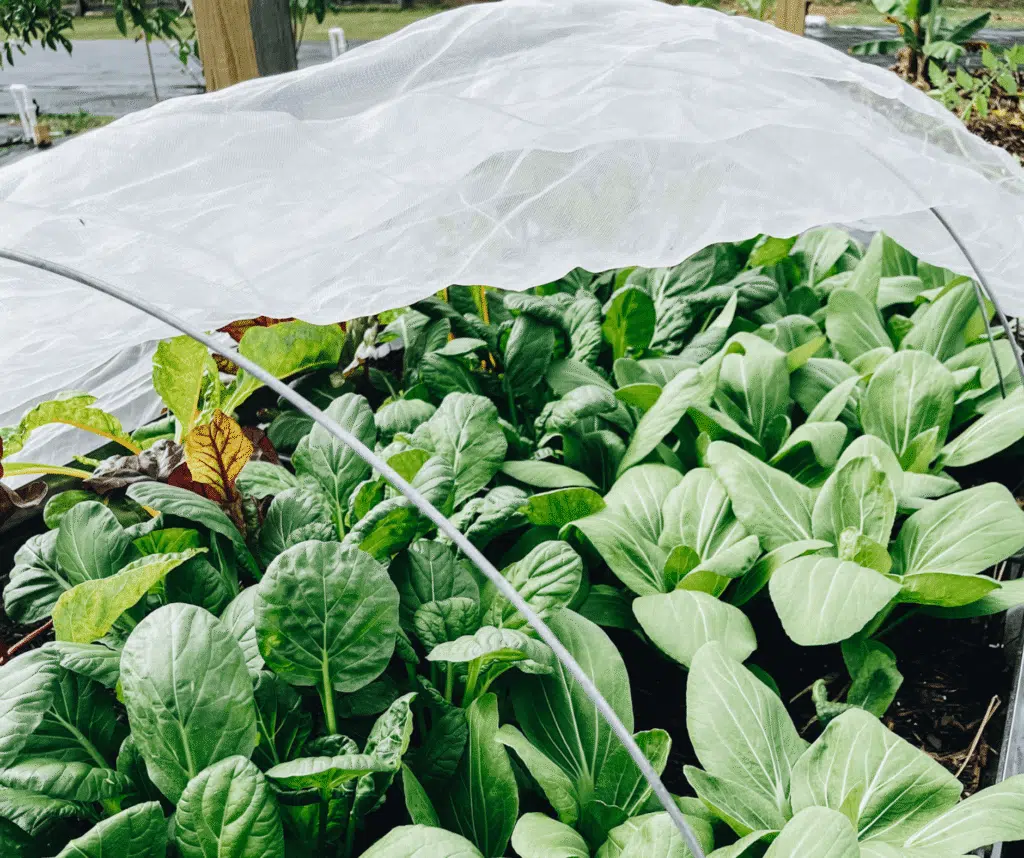
Most cool-season vegetables survive light frosts down to about 28°F, but lettuce, young seedlings, and broccoli heads can be damaged. A few simple steps protect crops on the handful of frosty nights Zone 9 gets each winter.
🌡️ Watch the forecast and act when lows are predicted at 32°F or below.
💧 Water the soil the day before a frost, since moist ground stores and releases more heat than dry ground.
🛏️ Cover plants with frost cloth before sunset to trap the warmth radiating up from the soil.
📏 Let covers reach the ground on all sides and anchor them with stones or pins, because heat escapes through gaps.
🧵 Choose your fabric weight carefully, since lightweight row cover adds roughly 2°F to 4°F of protection and heavier frost cloth adds about 6°F to 8°F.
🏗️ Use wire hoops to hold fabric off the leaves, which prevents frost from transferring through contact.
☀️ Remove or vent covers by midmorning so plants get sunlight and do not overheat.
🫙 Protect individual transplants with cut plastic jugs or cloches on cold nights.
Hard freezes below 25°F, like the February 2021 freeze in Texas, are rare but possible. During these events, double up covers, add a string of old-style incandescent lights under the fabric, and harvest any mature heads before the cold arrives.
Pest and Disease Management

Winter brings fewer pests than summer, but a few problems show up reliably in Zone 9 cool-season gardens. Catching them early keeps damage small.
Spraying beneficial nematodes once a season can help prevent pests; it is my number one way to help prevent pests.
Common Pests
Cabbage loopers and imported cabbageworms Sign: Ragged holes in brassica leaves and green droppings. Fix: Cover brassicas with insect netting at planting, or spray Bt (Bacillus thuringiensis), an organic bacterial treatment that targets caterpillars.
Aphids Sign: Clusters of small green or gray insects under leaves and curling growth. Fix: Blast with a strong spray of water, then use insecticidal soap. Flowers that attract ladybugs and hoverflies help keep populations down.
Slugs and snails Sign: Slime trails and irregular holes, especially after rain. Fix: Hand-pick at night, use iron phosphate bait, and set boards as daytime traps.
Cutworms Sign: Seedlings snapped off at soil level overnight. Fix: Wrap stems with cardboard collars at transplanting.
Harlequin bugs Sign: Black and orange shield-shaped insects on brassicas, mostly in Southern gardens. Fix: Hand-pick into soapy water and remove crop debris where they overwinter.
Common Diseases
Downy mildew: Yellow patches on top of leaves with fuzzy gray growth below. Improve spacing and water at soil level.
Powdery mildew: White dust on pea and squash leaves. Choose resistant pea varieties and remove affected foliage.
Damping-off: Seedlings collapse at the base. Use sterile mix and avoid overwatering.
Composting
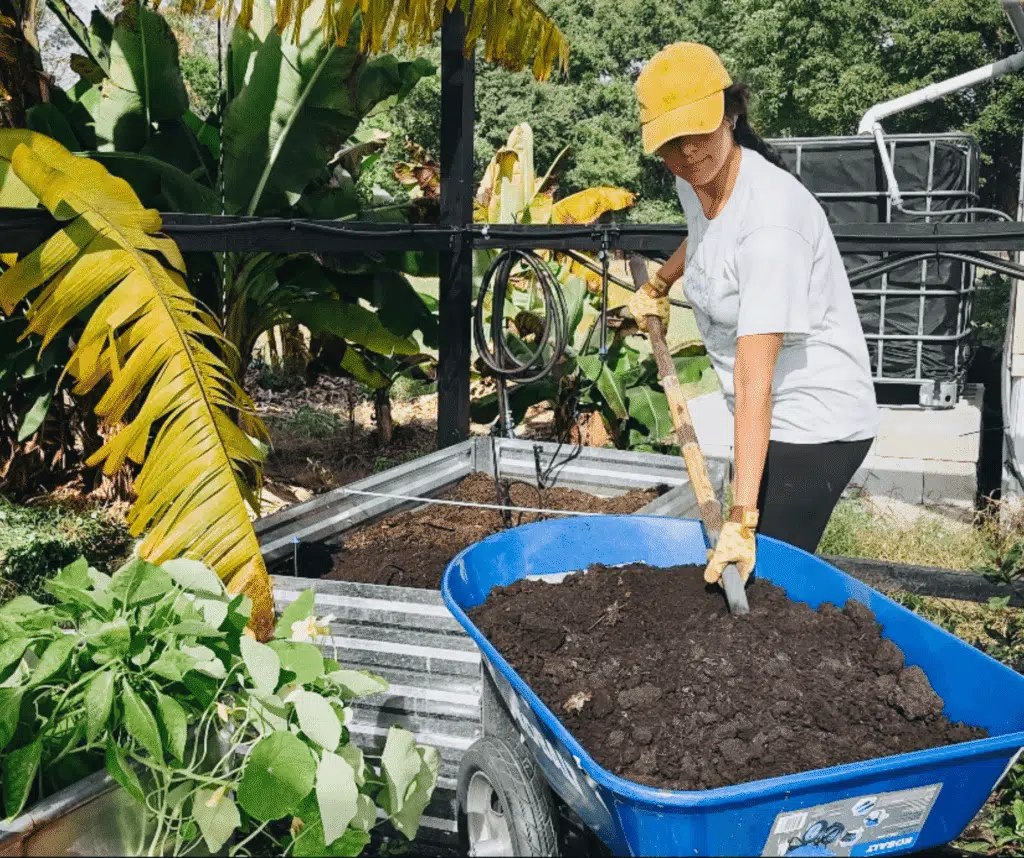
Compost piles slow down in cool weather, but Zone 9 winters stay mild enough to keep decomposition going all season with a few adjustments.
Keep the pile active:
- Build piles at least 3 feet tall and wide. Larger piles hold more internal heat.
- Chop or shred materials into small pieces so microbes break them down faster.
- Balance roughly three parts browns (dry leaves, straw, shredded cardboard) to one part greens (kitchen scraps, fresh plant trimmings).
- Turn the pile every two to three weeks to add oxygen.
- Cover it with a tarp during heavy rain to stop it from becoming soggy and smelly.
Take advantage of winter materials:
Fallen leaves are the best brown material of the year. Collect and bag them in late fall, then add a layer each time you add kitchen scraps. Spent summer crops also provide plenty of bulk, as long as they show no signs of disease.
What to leave out: Diseased plants, weeds with mature seeds, meat, dairy, and oily foods.
Compost started in fall is usually ready by spring, just in time to enrich beds for warm-season planting.
Mulching

A 2- to 3-inch layer of organic mulch in a Zone 9 winter garden holds moisture, suppresses weeds, keeps soil temperatures steadier, and stops rain from splashing soil-borne disease onto leaves.
Best mulches for winter beds:
- Straw: My favorite! Light, clean, and easy to tuck around plants. Choose seed-free straw instead of hay.
- Shredded leaves: Free, abundant in fall, and they feed the soil as they break down.
- Pine needles: Long-lasting and ideal around garlic and onions.
- Finished compost: Doubles as a light feeding.
How to apply it:
- Wait until seedlings are 3 to 4 inches tall before mulching around direct-sown crops.
- Spread mulch around transplants right after planting.
- Keep mulch 1 to 2 inches away from stems to prevent rot.
- Top up as layers thin out over the season.
Winter-specific cautions:
On frosty nights, bare soil releases more stored heat than mulched soil. In frost-prone pockets, pull mulch back slightly before a predicted freeze so the warmth can reach plants under frost cloth. If slugs and snails are a problem, use thinner layers, since thick mulch gives them a damp hiding place.
Common Gardening Mistakes
These are the errors that most often cost Zone 9 gardeners their winter harvest.
❌ Planting too late means broccoli and cauliflower hit spring heat before heading, so they bolt or form small, loose heads.
❌ Planting too early in a lingering heat wave stresses transplants and causes lettuce and spinach to bolt immediately.
❌ Growing long-day onions produces green tops with no bulbs, because Zone 9 winter days are too short to trigger them.
❌ Sowing all your lettuce at once leads to a glut followed by nothing, while small batches every two to three weeks keep salads steady.
❌ Leaving the summer watering schedule running drowns roots and invites rot and fungus gnats.
❌ Crowding plants reduces airflow, which encourages mildew and leaves brassicas competing for light.
❌ Ignoring frost forecasts lets one cold night wipe out tender lettuce and new transplants.
❌ Forgetting to chill garlic in warm areas results in small, unseparated bulbs.
❌ Skipping insect netting on brassicas gives cabbageworms easy access in early fall.
Harvesting and Storage
Harvest winter vegetables in the cool morning, when leaves and roots are crisp and full of moisture. Most cool-season crops keep producing if you pick them correctly.
| Crop | Harvest Cue and Storage |
|---|---|
| Lettuce | Pick outer leaves when 4 inches long; store in a sealed bag with a damp paper towel for up to 1 week |
| Kale, collards, chard | Harvest lower leaves, leaving the growing center; refrigerate unwashed for 1 to 2 weeks |
| Spinach | Cut leaves before plants bolt; refrigerate up to 1 week |
| Broccoli | Cut the main head while buds are tight, then harvest side shoots for weeks; refrigerate up to 2 weeks |
| Cauliflower | Harvest when the head is firm and white, 6 to 8 inches across; refrigerate up to 2 weeks |
| Cabbage | Cut when heads feel solid; keeps 1 to 2 months refrigerated |
| Carrots and beets | Pull when shoulders reach full size; remove tops and refrigerate 1 to 3 months |
| Radishes | Harvest promptly at maturity before they turn pithy; refrigerate up to 2 weeks |
| Peas | Pick snap peas when pods are plump; eat within days for the best sweetness |
| Onions | Harvest when tops fall over; cure in shade for 2 to 3 weeks before storing |
| Garlic | Dig when lower leaves brown; cure 3 to 4 weeks in a dry, airy spot |
Carrots, beets, and turnips also store well right in the ground through a Zone 9 winter. Leave them in the bed and dig as needed.
Indoor Gardening
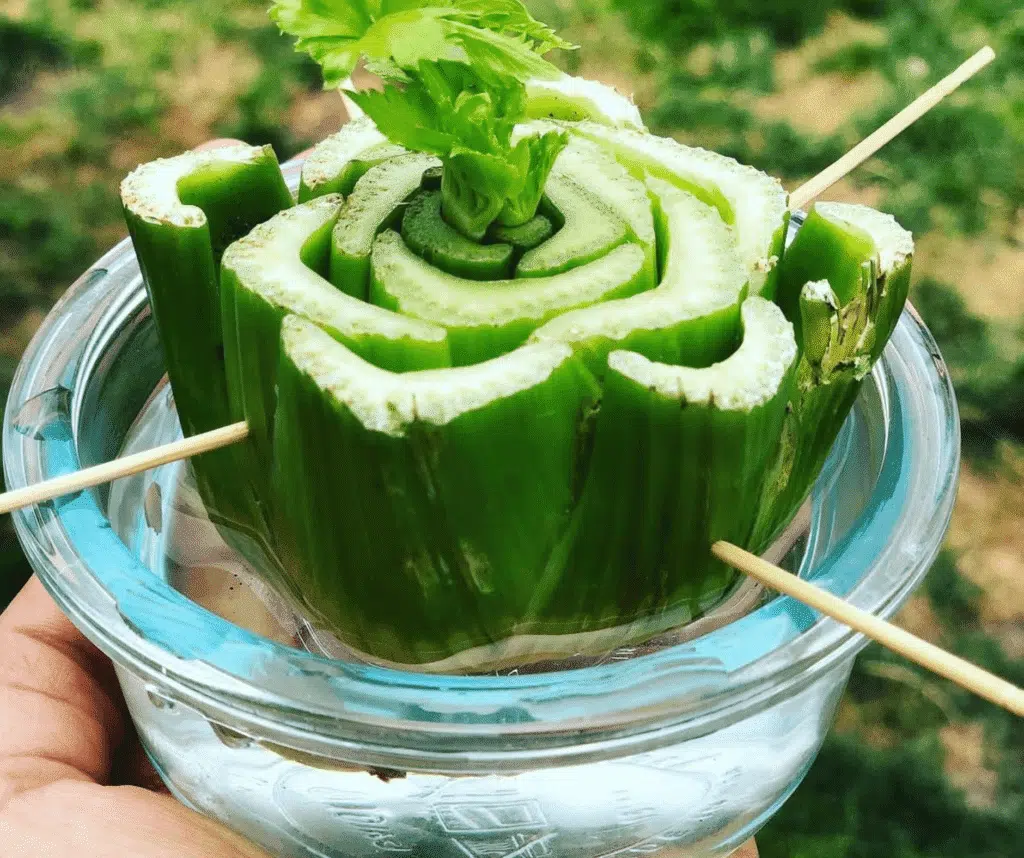
Indoor gardening fills the gaps in a winter harvest and works well for renters or anyone without outdoor space. The key ingredient is light, since winter windows rarely provide enough on their own.
Easiest crops to grow indoors:
- Microgreens: Broccoli, radish, pea shoots, and sunflower are ready in 7 to 14 days.
- Herbs: Parsley, chives, mint, cilantro, and basil.
- Loose-leaf lettuce: Compact varieties like ‘Tom Thumb’ and ‘Little Gem’ grow well in shallow containers.
- Green onions: Regrow root ends from store-bought scallions in a glass of water or a pot of soil.
Setting up for success:
- Place plants in a south-facing window or under LED grow lights.
- Run grow lights 14 to 16 hours a day, a few inches above the plants.
- Keep indoor temperatures between 60°F and 70°F.
- Use containers with drainage holes and a light potting mix.
- Run a small fan or open a window occasionally, because stale air encourages mold.
- Water when the top inch of mix feels dry, and empty saucers so roots never sit in water.
A single two-shelf grow light stand can produce a steady supply of microgreens and salad herbs all winter.
Container Gardening
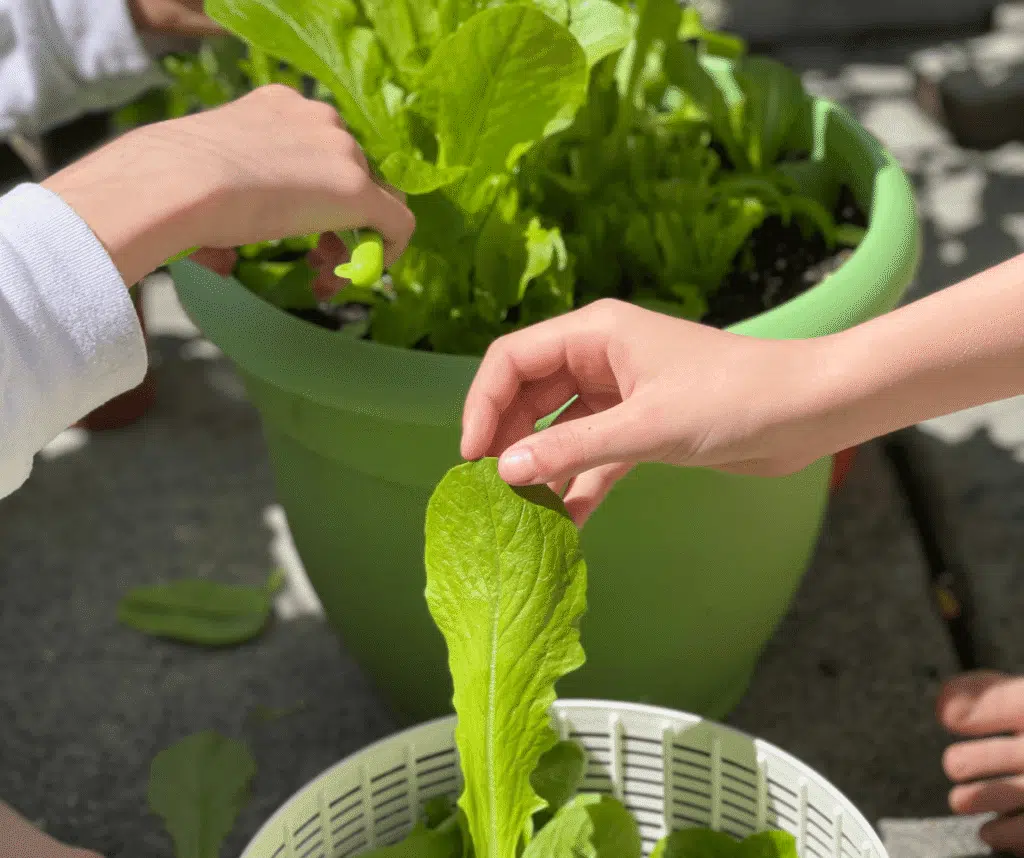
Containers let you grow a winter garden on a patio or balcony and move plants to shelter on frosty nights. The most important factor is matching pot depth to each crop’s root system.
Container size guide:
- Lettuce, spinach, arugula: At least 6 inches deep
- Radishes and green onions: 6 to 8 inches deep
- Herbs: 6 to 10 inches deep
- Beets and short carrots like ‘Paris Market’: 10 to 12 inches deep
- Swiss chard and kale: 12 inches deep, one plant per 3-gallon pot
- Broccoli, cabbage, cauliflower: One plant per 5-gallon pot
- Peas: 8 to 12 inches deep with a trellis
Container success tips:
- Use quality potting mix instead of garden soil, which compacts and drains poorly.
- Confirm every pot has drainage holes.
- Feed every two weeks with liquid fertilizer, since frequent watering washes nutrients out.
- Group containers against a south-facing wall for extra warmth and sun.
- On frosty nights, push pots together and cover them, or roll them into a garage.
- Choose light-colored or fabric pots for early fall plantings to prevent roots from overheating.
A few 5-gallon buckets and a window box can supply salad greens, herbs, and broccoli all winter.
Frequently Asked Questions
What vegetables grow best in Zone 9 during winter?
Broccoli, kale, lettuce, spinach, carrots, beets, radishes, peas, onions, garlic, cabbage, Swiss chard, and cilantro are the most reliable winter crops in Zone 9. All of them prefer temperatures between 45°F and 75°F.
When should I start my winter garden in Zone 9?
Start brassica seeds indoors in August and begin planting outdoors in September, once daytime highs drop below about 85°F. October is the peak planting month.
Can tomatoes grow in a Zone 9 winter?
Tomatoes struggle in Zone 9 winters because short days and nights below 55°F stop fruit from setting. Gardeners in frost-free areas sometimes succeed with cherry tomatoes in protected spots.
Do I need to protect my winter garden from frost in Zone 9?
Yes, on nights forecast at 32°F or colder. Most brassicas and root crops tolerate light frost, but lettuce, seedlings, and peas in bloom benefit from frost cloth.
How long does a Zone 9 winter growing season last?
The cool season typically runs from September through April, giving you seven or more months of production with succession planting.
Why is my broccoli not forming heads?
Broccoli fails to head when planted too late, exposed to heat during heading, or starved of nitrogen. Plant in early fall and feed regularly for the best heads.
Cold Truths for a Warm-Climate Harvest
The myths fade fast once your first winter harvest comes in.
Truth: Winter in Zone 9 offers the gentlest, most rewarding growing conditions of the year.
Truth: Timing and choice of variety decide success more than skill or luck.
Truth: A roll of frost cloth, a bale of straw, and a few packets of seed can keep your kitchen stocked with greens, roots, and herbs from fall through spring.
Plant one bed this October. Pick your first salad by Thanksgiving. By February, you will wonder why anyone in a warm climate ever lets the garden rest.
Other helpful gardening guides:
How to Choose the Best Garden Seeds for your Garden
Top Common Raised Bed Gardening Mistakes for Beginners
37 Reliable Seed Companies in the USA